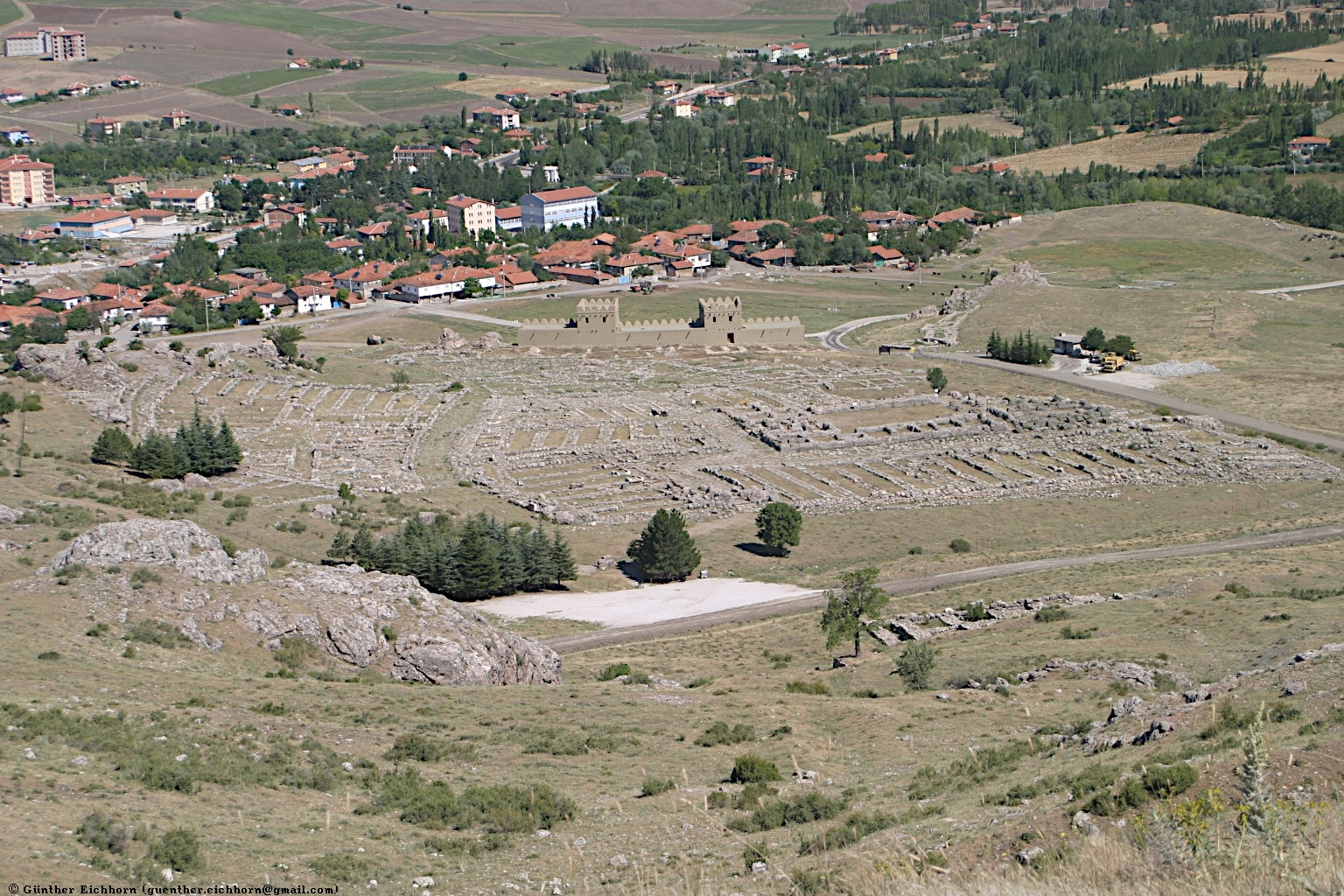
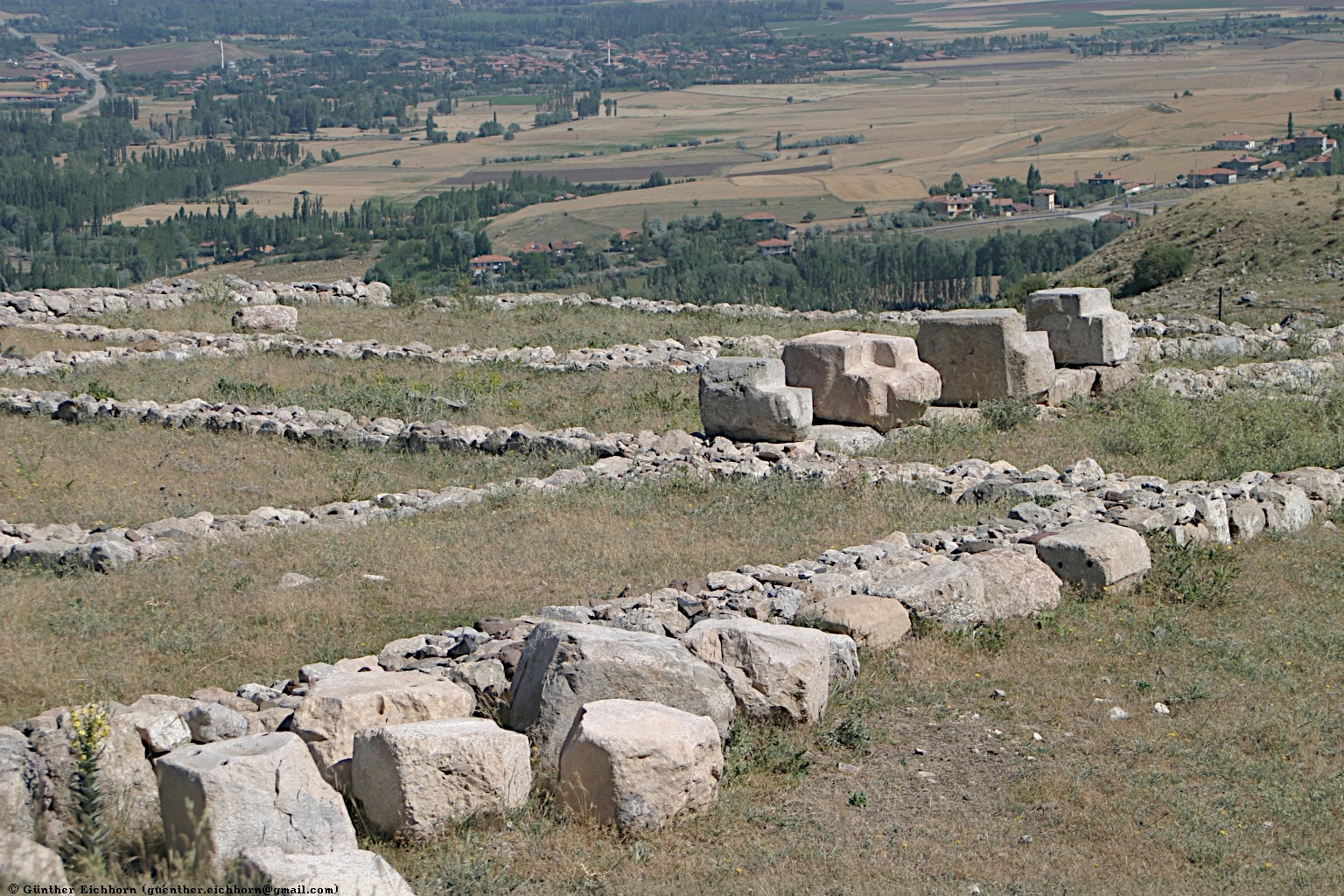
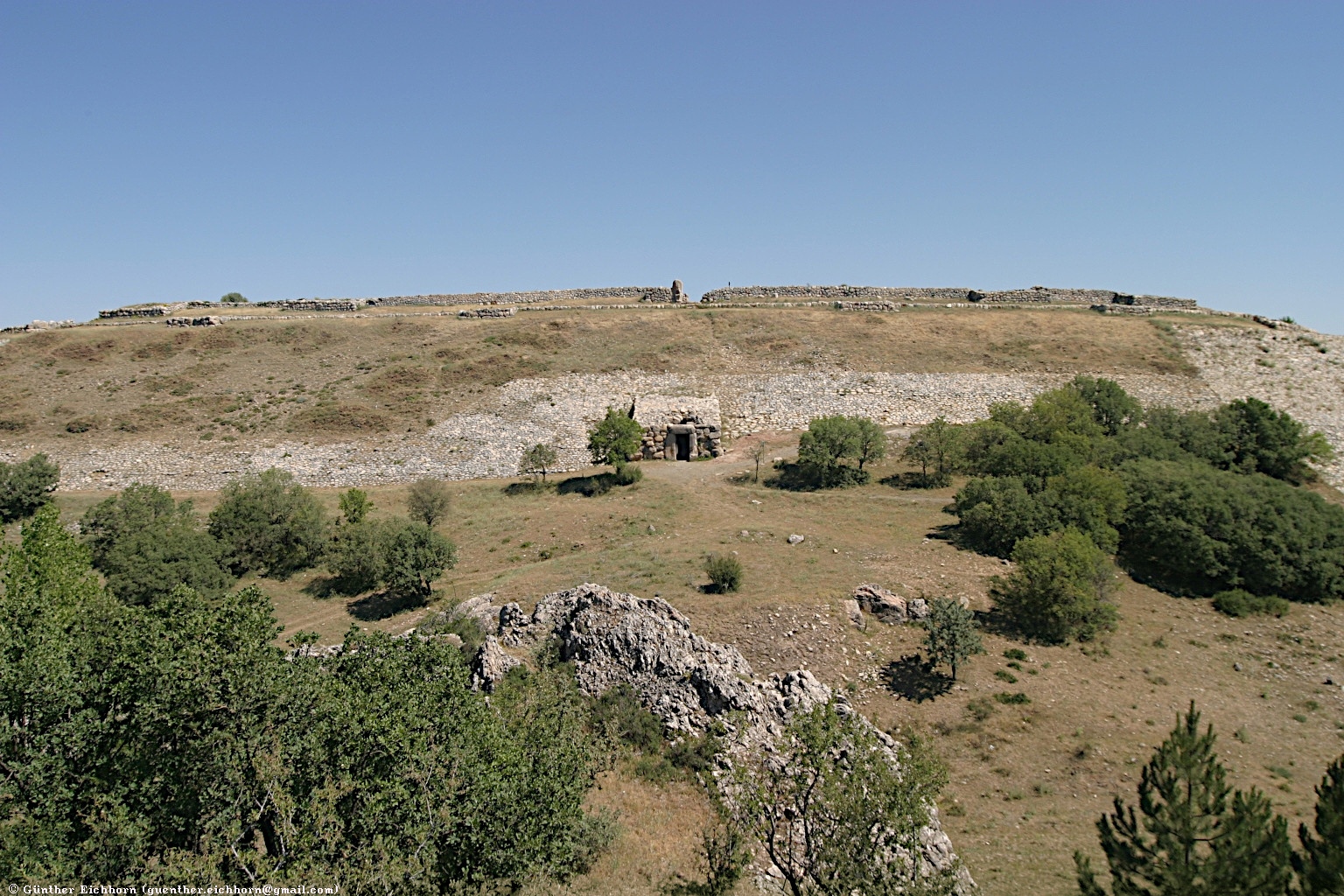
View of part of Hattuşa with the town of Boğazkale in the background. (1075k)
Hattuşa is a fantastic site. Hattuşa: the Hittite Capital is a UNESCO World Heritage Site.
The earliest traces of settlement on the site is from the 6th millennium BCE. Before 2000 BCE the site was settled by the Hatti, the pre-Hittites. Around 1700 BCE, this city was destroyed, apparently by King Anitta from Kushar.
A generation later, a Hittite speaking king built Hattuşa. It became the capital of the Hittite Empire. At its peak, the city covered 1.8 km² (0.7 square miles). The city was destroyed around 1200 BCE with the collapse of the Hittite Empire.
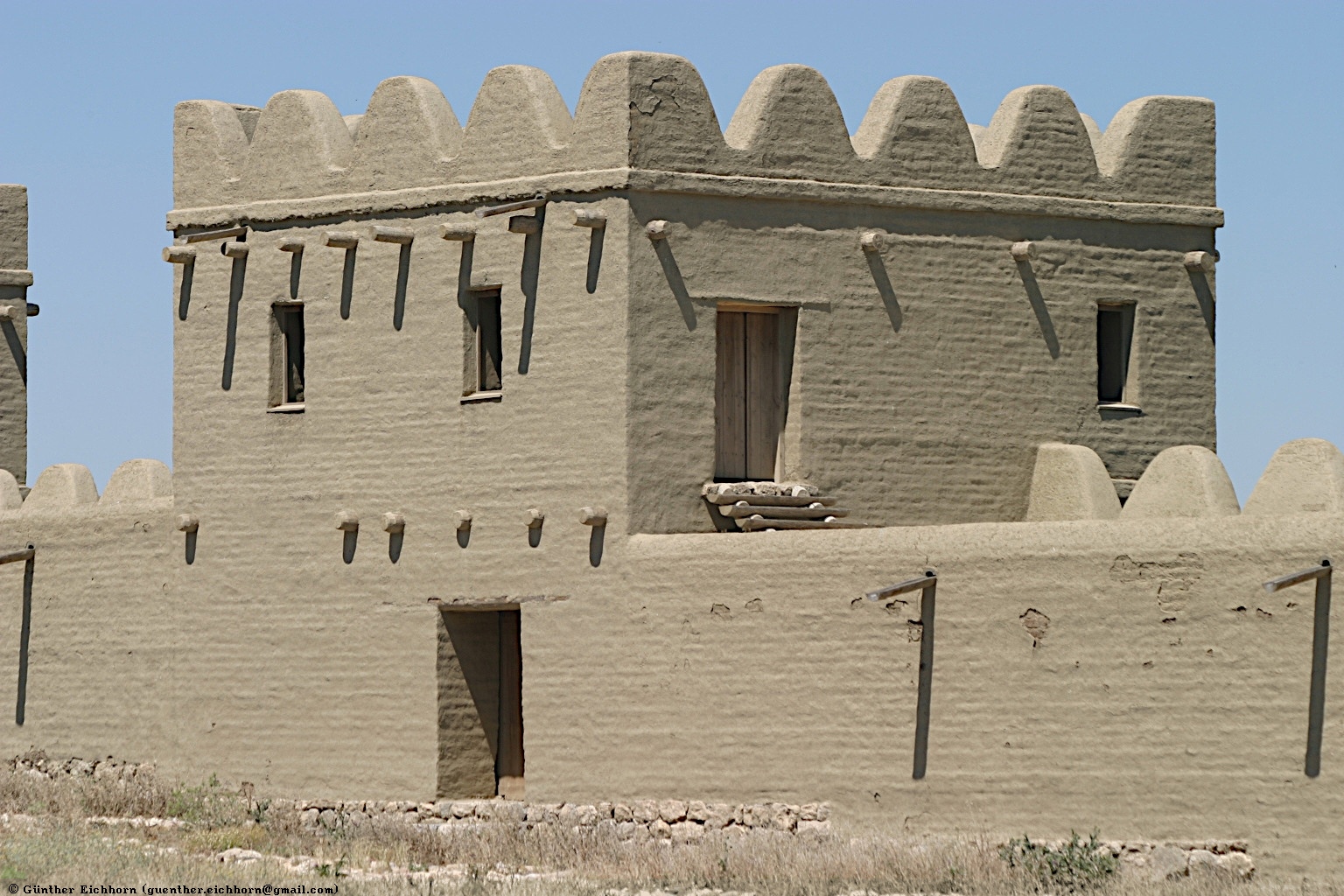
The city has several large temple complexes, and many fortifications, including a large city wall.
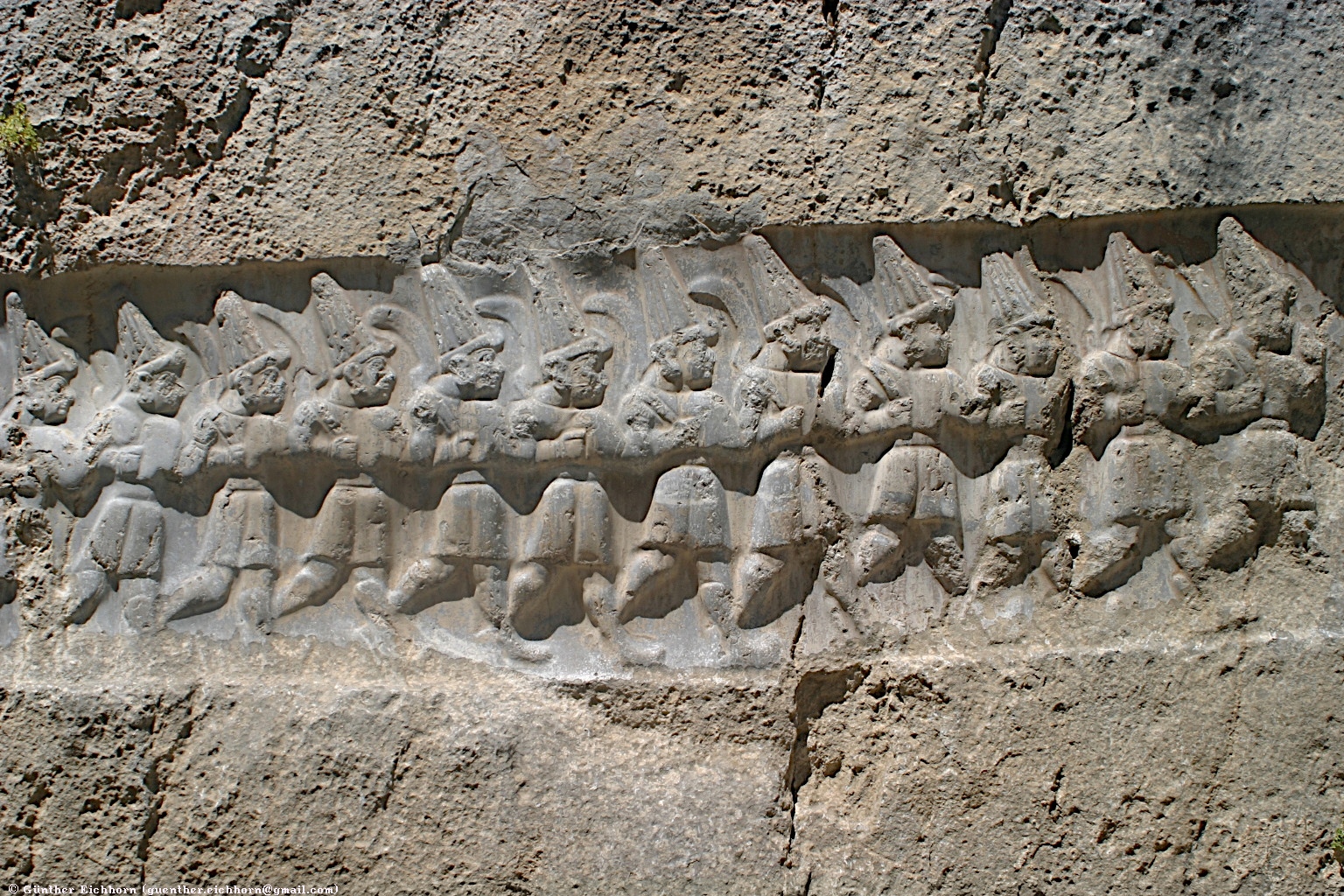
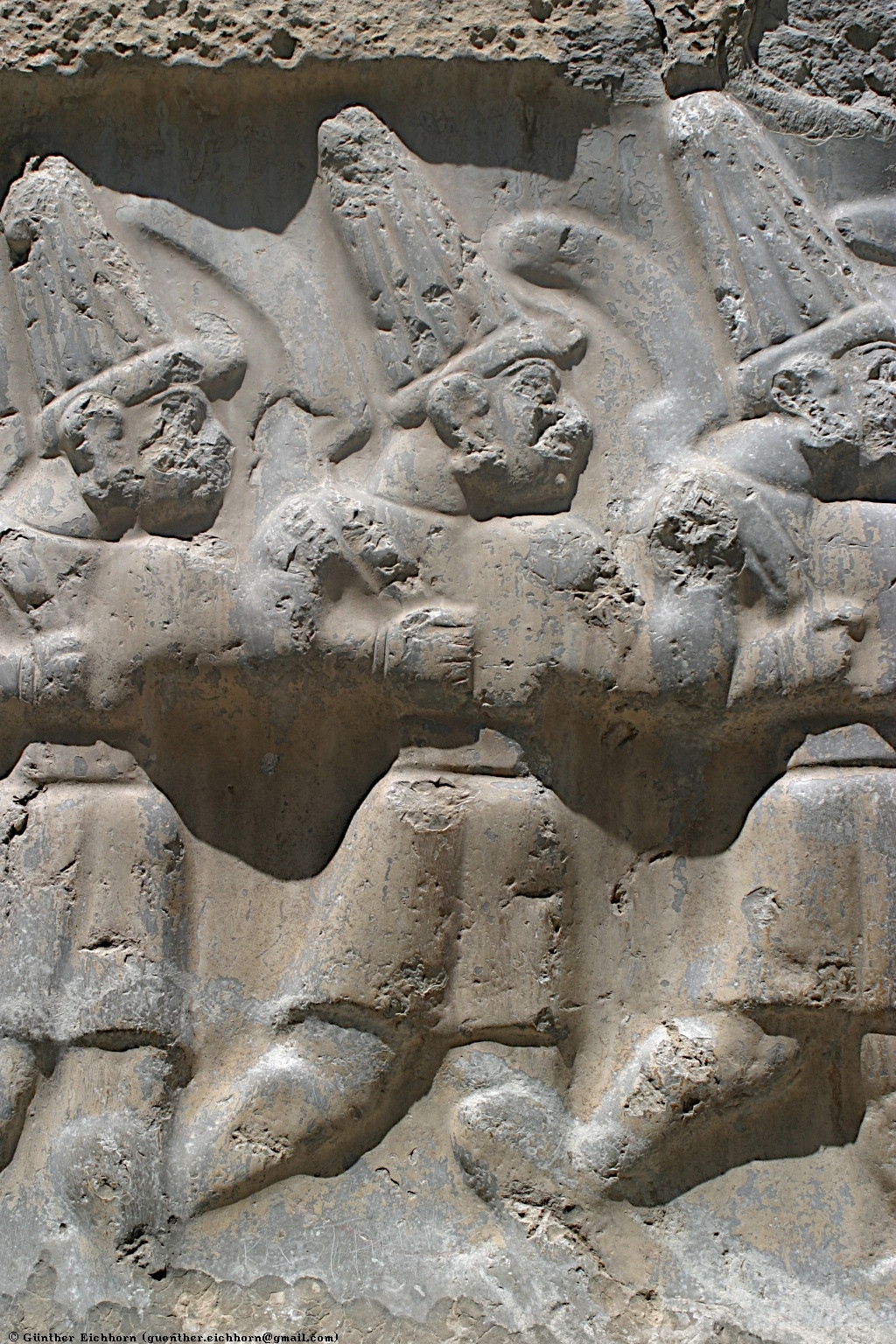
Nearby is Yazılıkaya, a sanctuary of Hattuşa. It has some marvelous reliefs carved in the rock walls.
The Hittites ruled a vast Empire in the Middle East. They conquered Babylon and challenged the Egyptian Pharaohs over 3000 years ago. There were a few mentions in the bible, but not much was known about them till Hattuşa was discovered in 1834. In 1905 excavations amazing works of art were excavated, but more importantly, the Hittite state archive was discovered. It was on cuneiform clay tablets and yielded history of the Hittite Empire.
The Hittites were an Indo-European people. They swept through Anatolia around 2000 BCE, conquering the Hatti, from which they borrowed their culture and name. They established Hattuşa as their capital. Over next millennium they enlarged and beautified the city. From about 1375 BCE to 1200 BCE, Hattuşa was the capital of a Hittite Empire that incorporated parts of Syria during its height.
The Hittites worshiped over a thousand different deities. Among the most important were Teshub, the Storm or Weather God, and Hepatu, the Sun Goddess. The Hittite archive tablets showed a structured society with over 200 laws. The death sentence was prescribed for bestiality, while thieves got off more lightly, provided they paid the victims compensation.
After 1250 BCE, the Hittite Empire declined, accelerated by the arrival of the Phrygians. Only the city-states of Syria remained, till they too were conquered by the Assyrians.
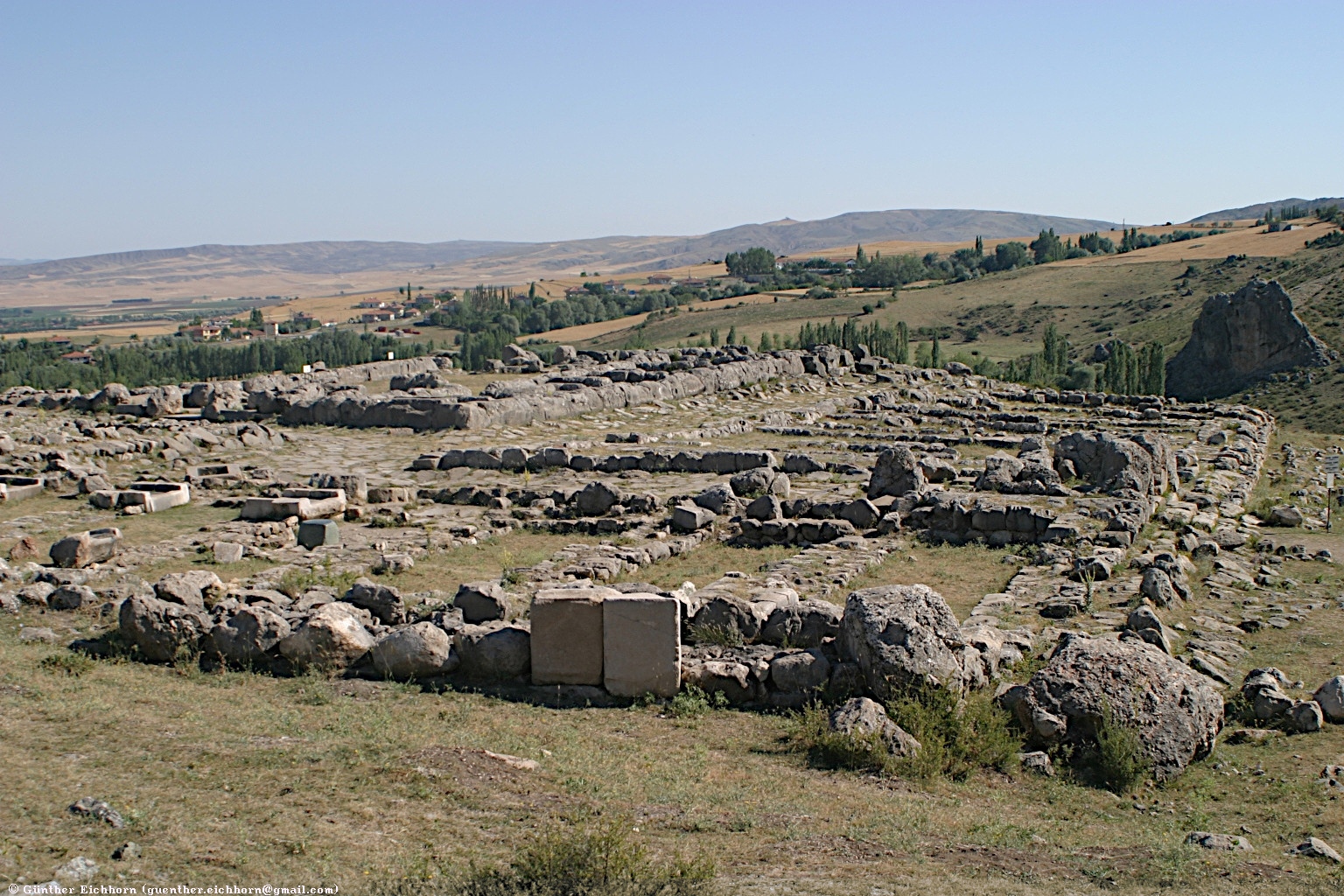
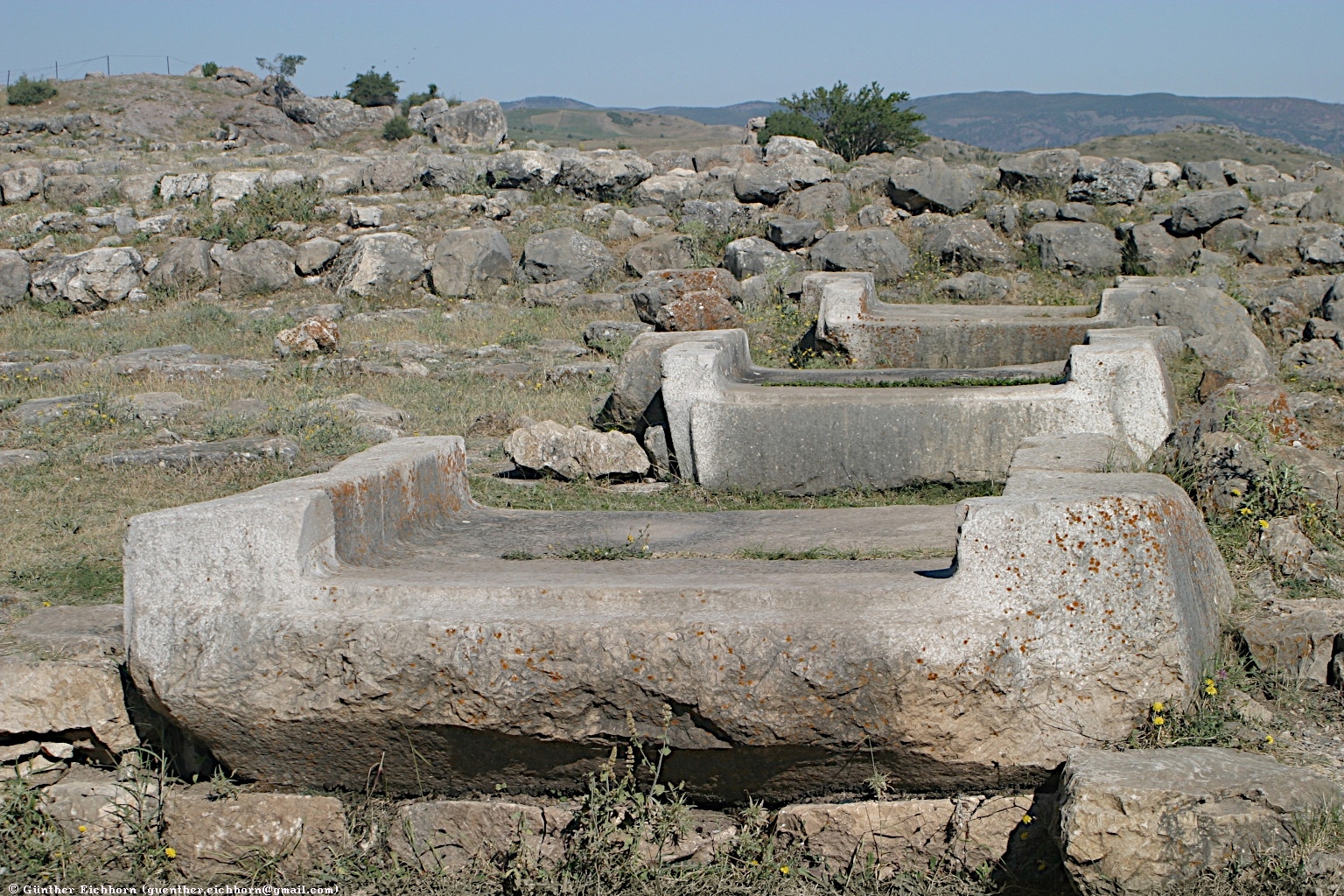
Hattuşa had several temple complexes, the largest one being the Great Temple. It was dedicated to two deities (it had two cult chambers). These were Teshub, the Storm God, and Sun Goddess Hepatu.
Several of the inscriptions were in Luvian hieroglyphs. They are a picture script, developed in Anatolia. Neither pictorially nor linguistically do they have anything to do with Egyptian hieroglyphs. These hieroglyphic tests are written in a technique known as boustrophedon, literally meaning "as the ox plows". The writing goes from left to right in one line, then continuing from right to left in the next line, etc. You can identify hieroglyphs in the picture that are mirror images in adjacent rows, because of this technique.
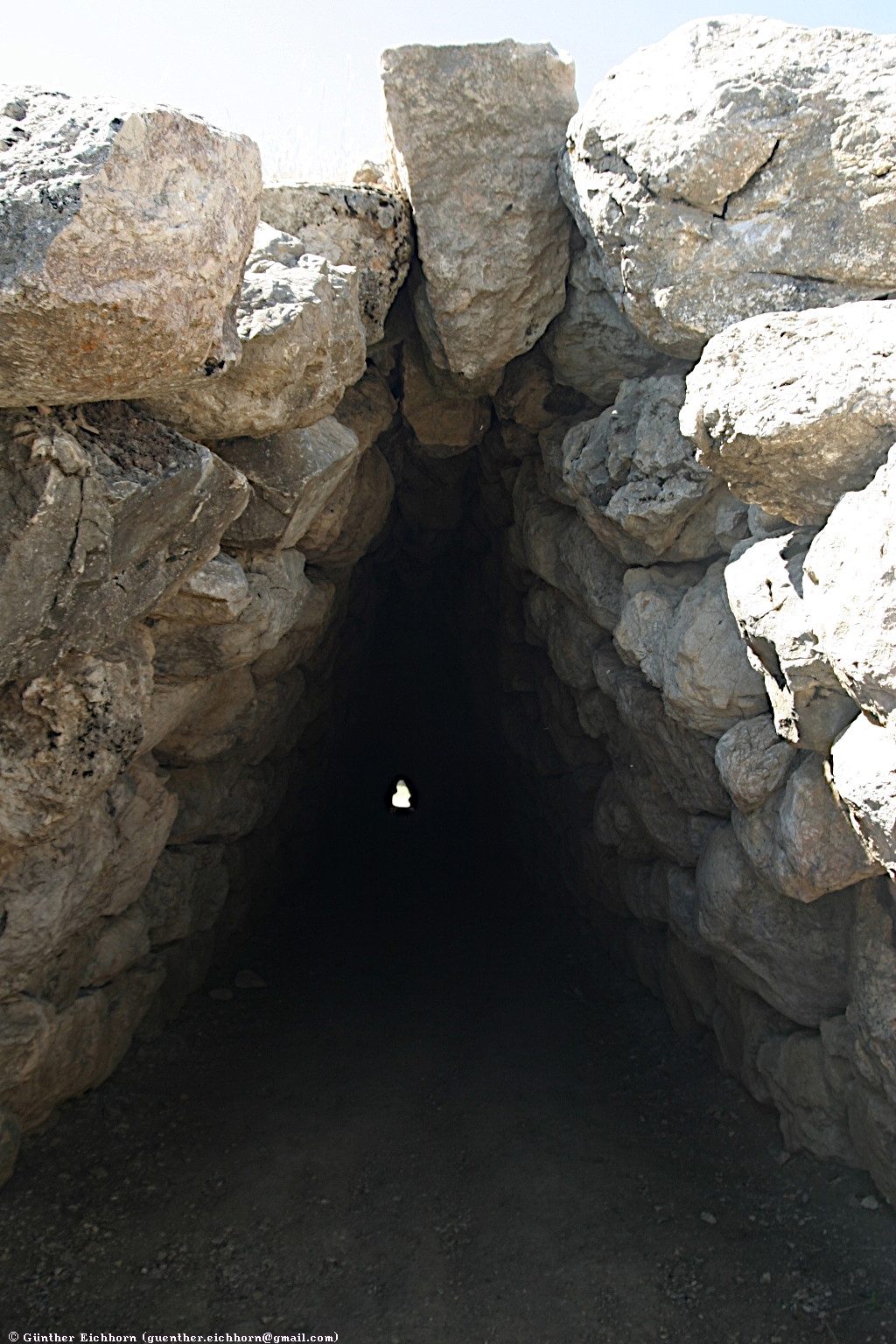
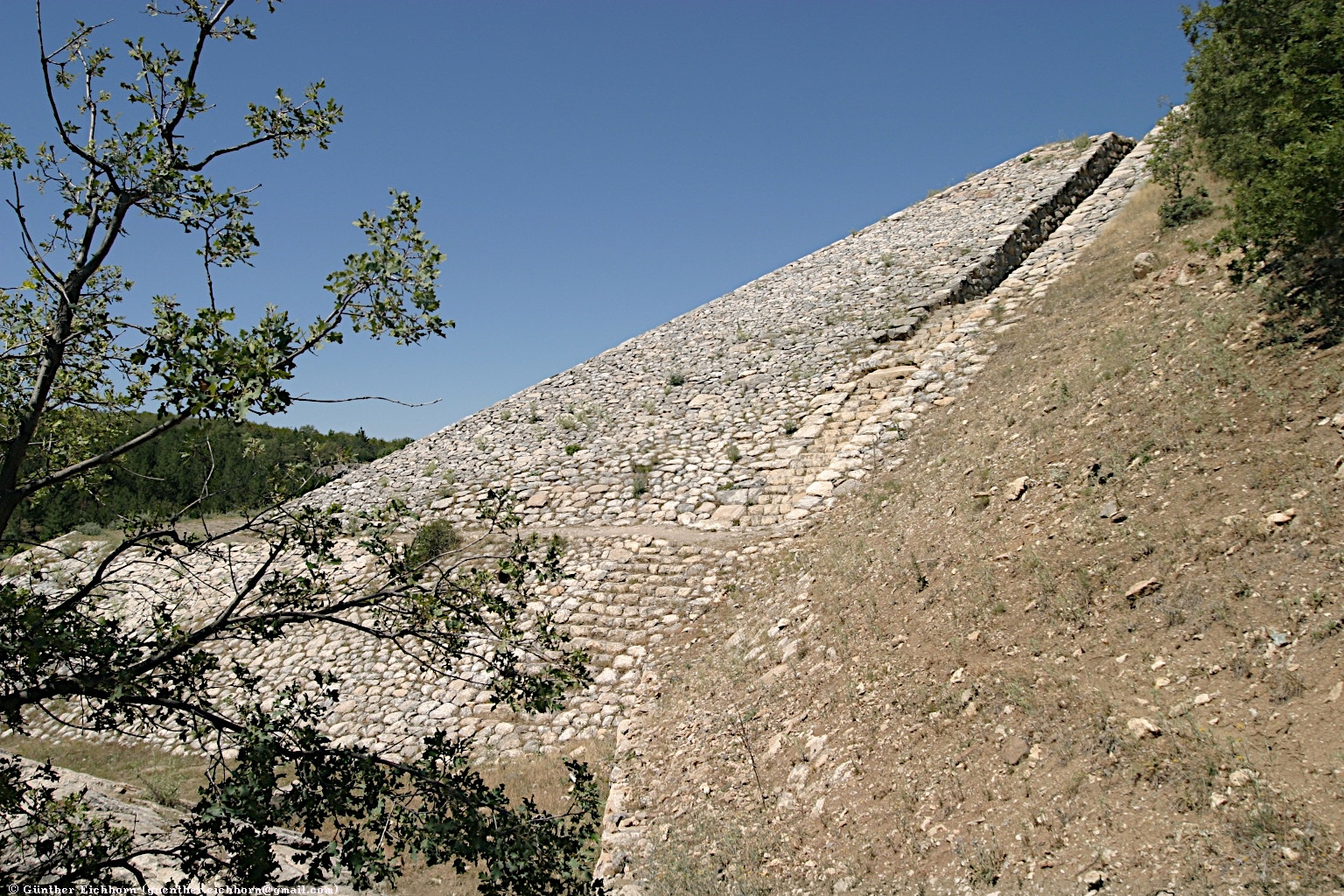
The highest and southern-most part of the city defenses is the rampart of Yerkapı. It has a postern, a tunnel through it and the Sphinx Gate on top of it. From the top you can follow the city wall for large distances.
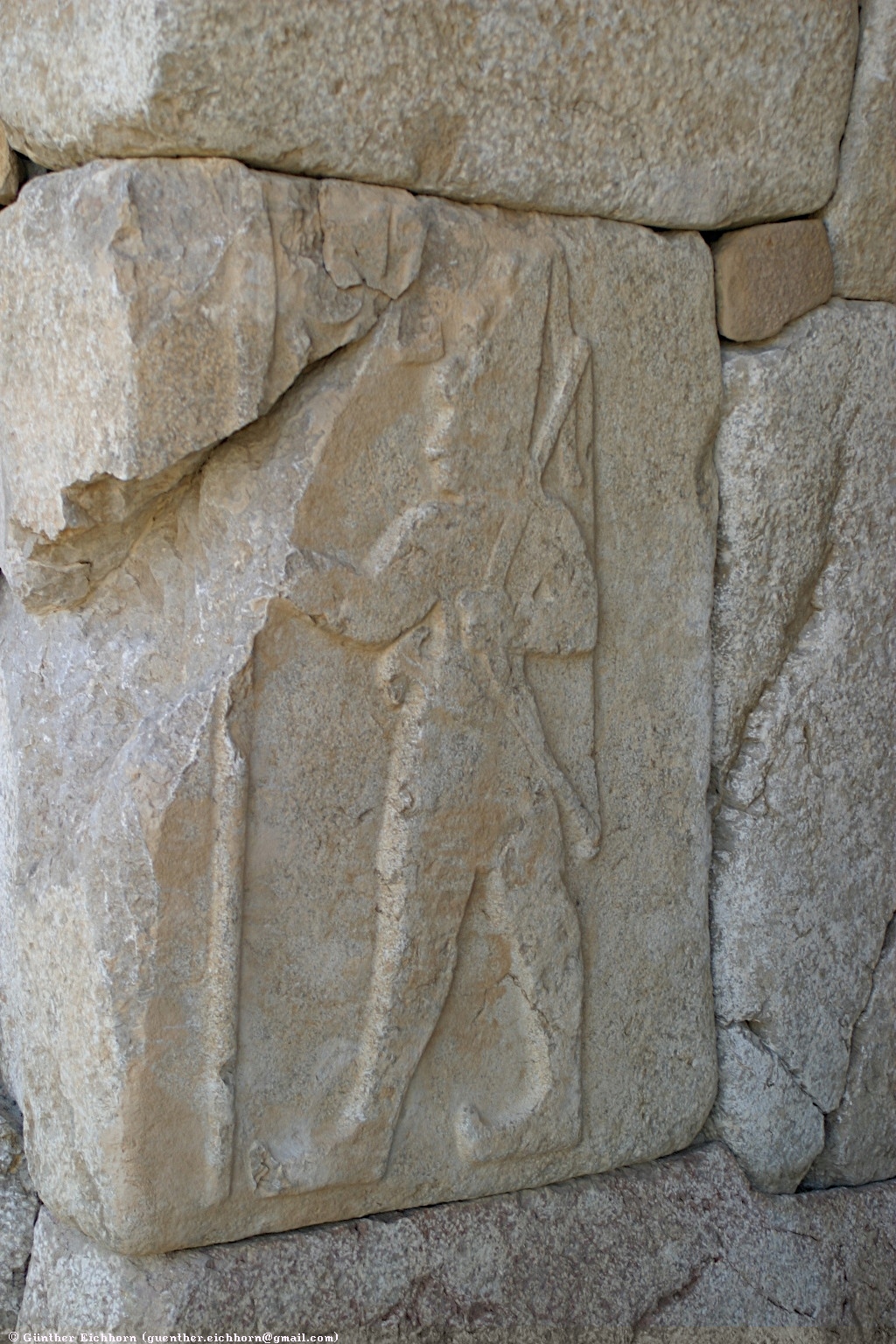
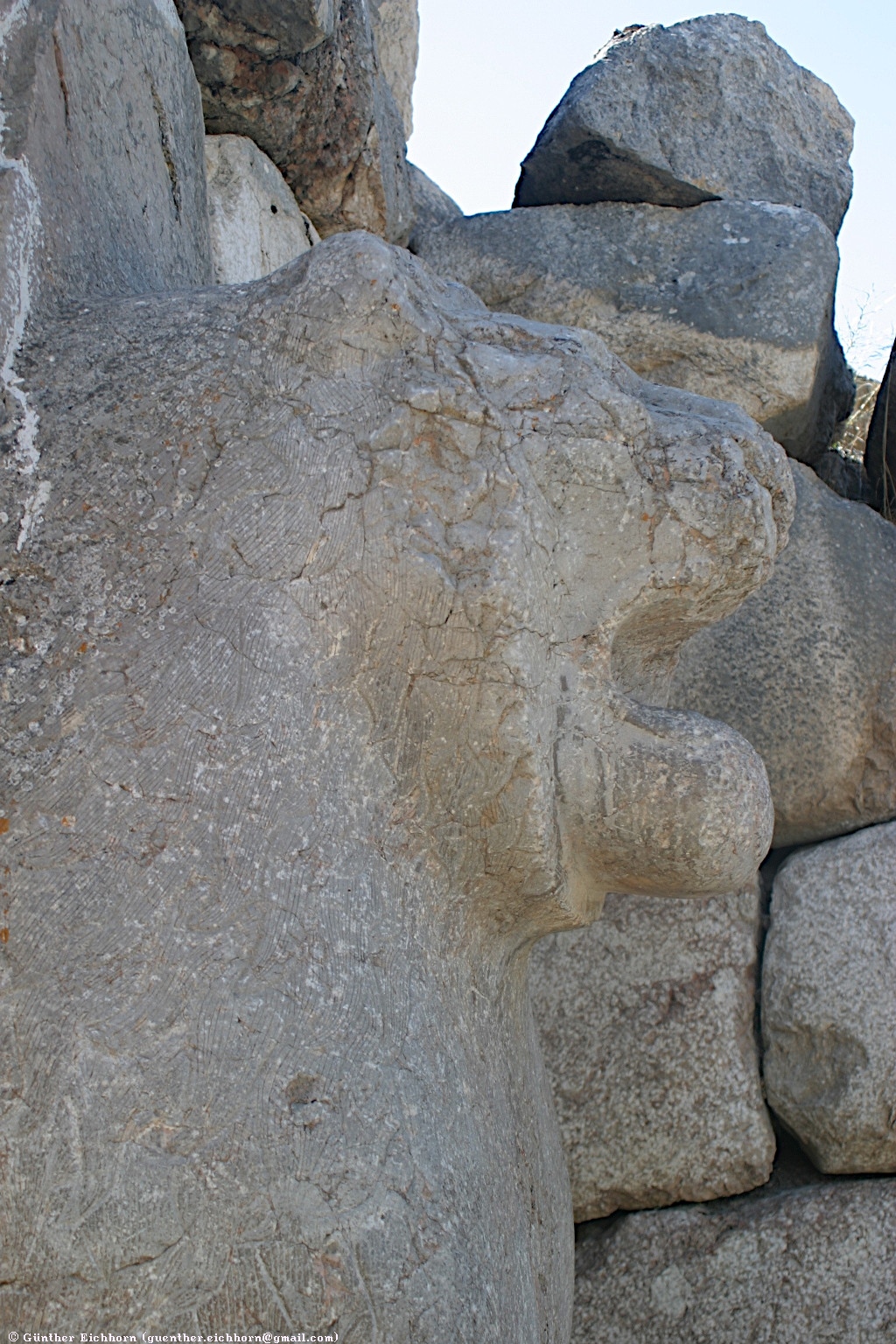
There are two other major gates in the city wall, the King's Gate and the Lion's Gate. Both have imposing stone reliefs on large blocks on either side of the gates.
About 3 km (1.9 miles) from Hattuşa is Yazılıkaya a Hittite religious sanctuary. It has two rock galleries with impressive rock reliefs, one of them was the holiest religious sanctuaries of the Hittites.
This Hittite site was for me the most important site to see in Turkey. It was absolutely spectacular.
All pictures are © Dr. Günther Eichhorn, unless otherwise noted.











This page contains 39 pictures

Main page for Türkiye Cumhurieti (Turkey)
Page last updated on Tue Mar 31 16:17:00 2020 (Mountain Standard Time)
Hattuşa on gei.guenther-eichhorn.com
 Dr. Günther Eichhorn Travel Website
 Soaring website